1964 saw the advancement of weather satellites that where invented 4 years ago. Indeed, the new satellites could estimate winds more accurately in tropical storms or developing ones. In addition, 1964 was infamous for 4 destructive hurricanes making landfall in the United States, 3 of those made landfall in Florida, and 2 of those caused destruction in other countries. Hurricane Hilda was the 3rd of 4 destructive hurricanes to strike the USA, and also the 3rd destructive hurricane from 1964.
On September 27th a vigorous tropical low (wave) developed just south of Haiti. Ships reported the low had surface winds of 30 mph. The National Hurricane Center flew into the system and determined that while it was becoming organized it did not have a closed surface. On September the 28th the tropical low was designated a tropical depression.
On the 29th winds where found to have increased to 45 mph. The depression was upgraded to tropical storm status. Thus, it was named Tropical Storm Hilda. Due to the very warm waters enhanced by a La Nina Hilda continued to strengthen. By the end of the night Hilda's winds have increased to 60 mph. On the afternoon on the 30th Hilda winds increased to 75 mph making Hilda a hurricane. The Weather Bureau (later named the Weather Service) and the National Hurricane Center put out bulletins that Hilda could strengthen due to the warm waters of the Gulf
By the morning of October 1st Hilda had become a 105 mph category 2 hurricane, and later that evening Hilda strengthened to a 120 mph category 3 hurricane. This made Hilda a major hurricane. By the morning of the 3rd Hilda strengthened to a 140 mph category 4 hurricane with a low pressure of 941 millibars just a few hundred miles of the Louisiana coastline. Also the storm's movement slowed due a cold front to the North.
The cold front to the North also helped weaken Hilda as by the evening of the 3rd winds had come down to 120 mph due to cold air getting pulled into the hurricane. That night the winds had decreased to 110 mph. In the early morning of October 4th Hurricane Hilda made landfall in Louisiana with winds of 110 mph making Hilda a high end category 2 hurricane.
Despite Hilda weakening it was still very destructive. Hilda's slow movement also made it destructive. When the hurricane came ashore it was estimated to have produced a storm surge of 9-12 feet. For several hours Hilda pounded Louisiana with 100 mph or greater winds. The storm's slow movement also meant it was a serious flood threat. Hilda's destruction occurred farther inland as the storm produced flooding rains. Some towns as far north as Northern Mississippi received 6-9 inches of rain from Hilda.
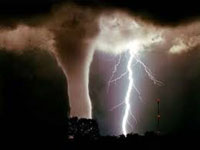
Hilda's knockout punch though was the deadly tornado outbreak the Hurricane caused. As Hilda moved inland it begin to produce several tornadoes. Tornadoes touched down in Louisiana, Mississippi, and Alabama. In Louisiana Hilda produced several F2 tornadoes. One tornado was an F4 this tornado killed 10 people due it being rain wrapped. Overall Hilda produced 12 tornadoes with 8 of those being F2 or higher.
Overall, Hilda caused $130 million in damages with $100 million of that occurring in Louisiana. The hurricane also caused 38 deaths, with 12 of those coming from the tornadoes the storm produced.
In Conclusion, the 1964 season was a very active season due to 1964 still being part of the first active phase with positive ASO. The season's storms and activity was enhanced by a La Nina. Hilda was the 3rd of 4th destructive hurricanes from 1964, and the 3rd hurricane to strike the USA. Due to the severe damage in Louisiana the name Hilda was retired from the naming lists. It was the 3rd name to get retired from the year 1964 joining Cleo and Dora. Isbell the 4th destructive hurricane for whatever reason was not retired, but it should have been. Indeed, Hilda was a destructive and historic storm for the US state of Louisiana and it also produced historic flooding in Alabama and Mississippi.
1964 saw the advancement of weather satellites that where invented 4 years ago. Indeed, the new satellites could estimate winds more accurately in tropical storms or developing ones. In addition, 1964 was infamous for 4 destructive hurricanes making landfall in the United States, 3 of those made landfall in Florida, and 2 of those caused destruction in other countries. Hurricane Hilda was the 3rd of 4 destructive hurricanes to strike the USA, and also the 3rd destructive hurricane from 1964.
On September 27th a vigorous tropical low (wave) developed just south of Haiti. Ships reported the low had surface winds of 30 mph. The National Hurricane Center flew into the system and determined that while it was becoming organized it did not have a closed surface. On September the 28th the tropical low was designated a tropical depression.
On the 29th winds where found to have increased to 45 mph. The depression was upgraded to tropical storm status. Thus, it was named Tropical Storm Hilda. Due to the very warm waters enhanced by a La Nina Hilda continued to strengthen. By the end of the night Hilda's winds have increased to 60 mph. On the afternoon on the 30th Hilda winds increased to 75 mph making Hilda a hurricane. The Weather Bureau (later named the Weather Service) and the National Hurricane Center put out bulletins that Hilda could strengthen due to the warm waters of the Gulf
By the morning of October 1st Hilda had become a 105 mph category 2 hurricane, and later that evening Hilda strengthened to a 120 mph category 3 hurricane. This made Hilda a major hurricane. By the morning of the 3rd Hilda strengthened to a 140 mph category 4 hurricane with a low pressure of 941 millibars just a few hundred miles of the Louisiana coastline. Also the storm's movement slowed due a cold front to the North.
The cold front to the North also helped weaken Hilda as by the evening of the 3rd winds had come down to 120 mph due to cold air getting pulled into the hurricane. That night the winds had decreased to 110 mph. In the early morning of October 4th Hurricane Hilda made landfall in Louisiana with winds of 110 mph making Hilda a high end category 2 hurricane.
Despite Hilda weakening it was still very destructive. Hilda's slow movement also made it destructive. When the hurricane came ashore it was estimated to have produced a storm surge of 9-12 feet. For several hours Hilda pounded Louisiana with 100 mph or greater winds. The storm's slow movement also meant it was a serious flood threat. Hilda's destruction occurred farther inland as the storm produced flooding rains. Some towns as far north as Northern Mississippi received 6-9 inches of rain from Hilda.
Hilda's knockout punch though was the deadly tornado outbreak the Hurricane caused. As Hilda moved inland it begin to produce several tornadoes. Tornadoes touched down in Louisiana, Mississippi, and Alabama. In Louisiana Hilda produced several F2 tornadoes. One tornado was an F4 this tornado killed 10 people due it being rain wrapped. Overall Hilda produced 12 tornadoes with 8 of those being F2 or higher.
Overall, Hilda caused $130 million in damages with $100 million of that occurring in Louisiana. The hurricane also caused 38 deaths, with 12 of those coming from the tornadoes the storm produced.
In Conclusion, the 1964 season was a very active season due to 1964 still being part of the first active phase with positive ASO. The season's storms and activity was enhanced by a La Nina. Hilda was the 3rd of 4th destructive hurricanes from 1964, and the 3rd hurricane to strike the USA. Due to the severe damage in Louisiana the name Hilda was retired from the naming lists. It was the 3rd name to get retired from the year 1964 joining Cleo and Dora. Isbell the 4th destructive hurricane for whatever reason was not retired, but it should have been. Indeed, Hilda was a destructive and historic storm for the US state of Louisiana and it also produced historic flooding in Alabama and Mississippi.
--------------------



 User Notice